

How to track your boxes and belongings through a move
A moving inventory records what went into each box, which room it belongs to, and whether it arrived. In loggit you create a box, photograph and log its contents, attach a QR label, and scan it on the other end. Unpacking becomes searchable instead of a guessing game.
Set up the move before you tape a single box
Create the destination as a location with its rooms, even if you have only seen photos of it. Every box you pack then gets assigned to the room it should land in, which is the single biggest time saver on delivery day.
Pack room by room and finish a room before starting another. Mixed boxes are the ones you end up opening five times.
- Create the origin and destination locations.
- Add destination rooms: kitchen, primary bedroom, office, garage.
- Create a box record as you start packing it.
- Assign the destination room on the box, not just the origin room.
Log contents as you pack, not from memory
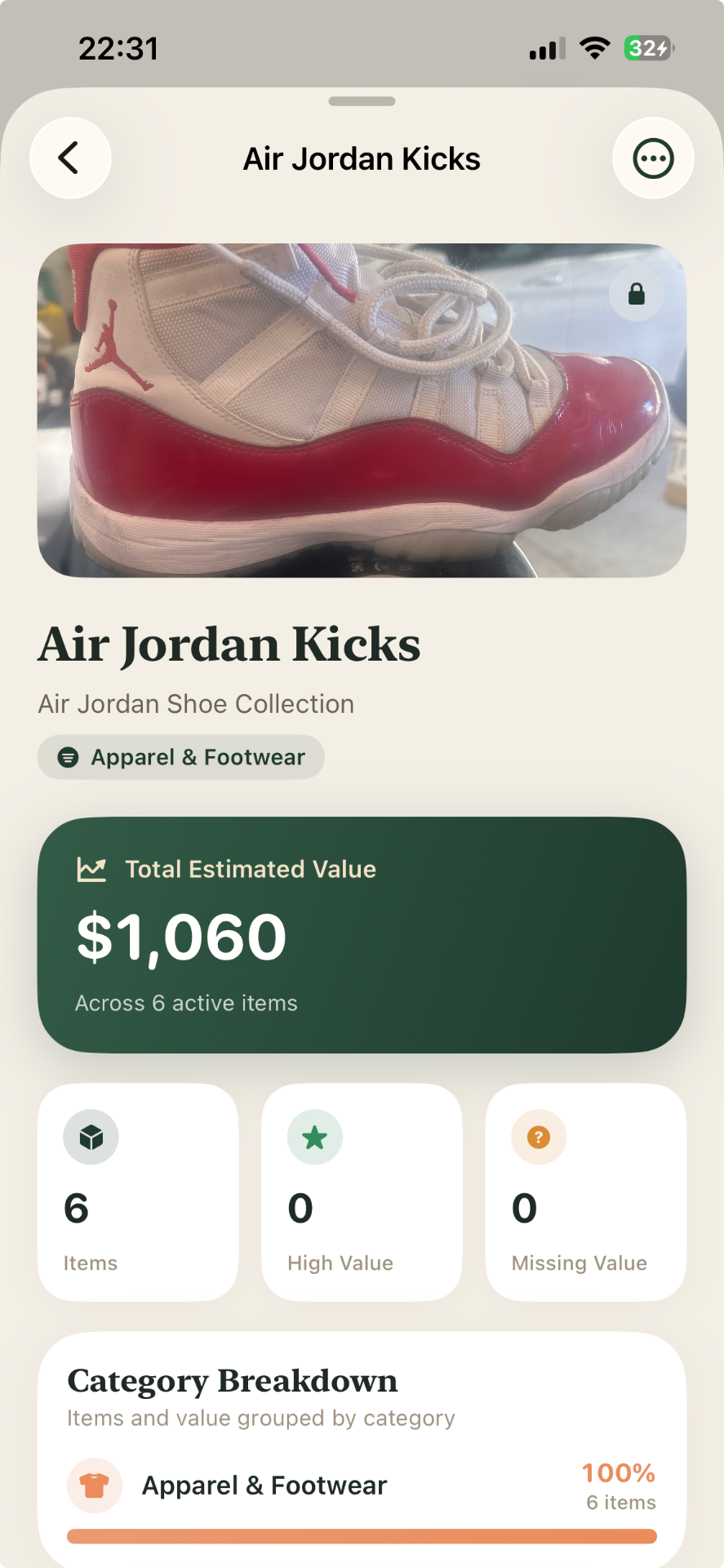
The two-minute version: open the box record, photograph each layer as it goes in, and add the handful of items you will actually search for later — chargers, remotes, hardware bags, medications, the coffee grinder.
Fragile and high-value items deserve their own records with a condition photo. If something arrives damaged, a dated photo taken at packing time is far more useful than a description.
Label with QR codes and a number
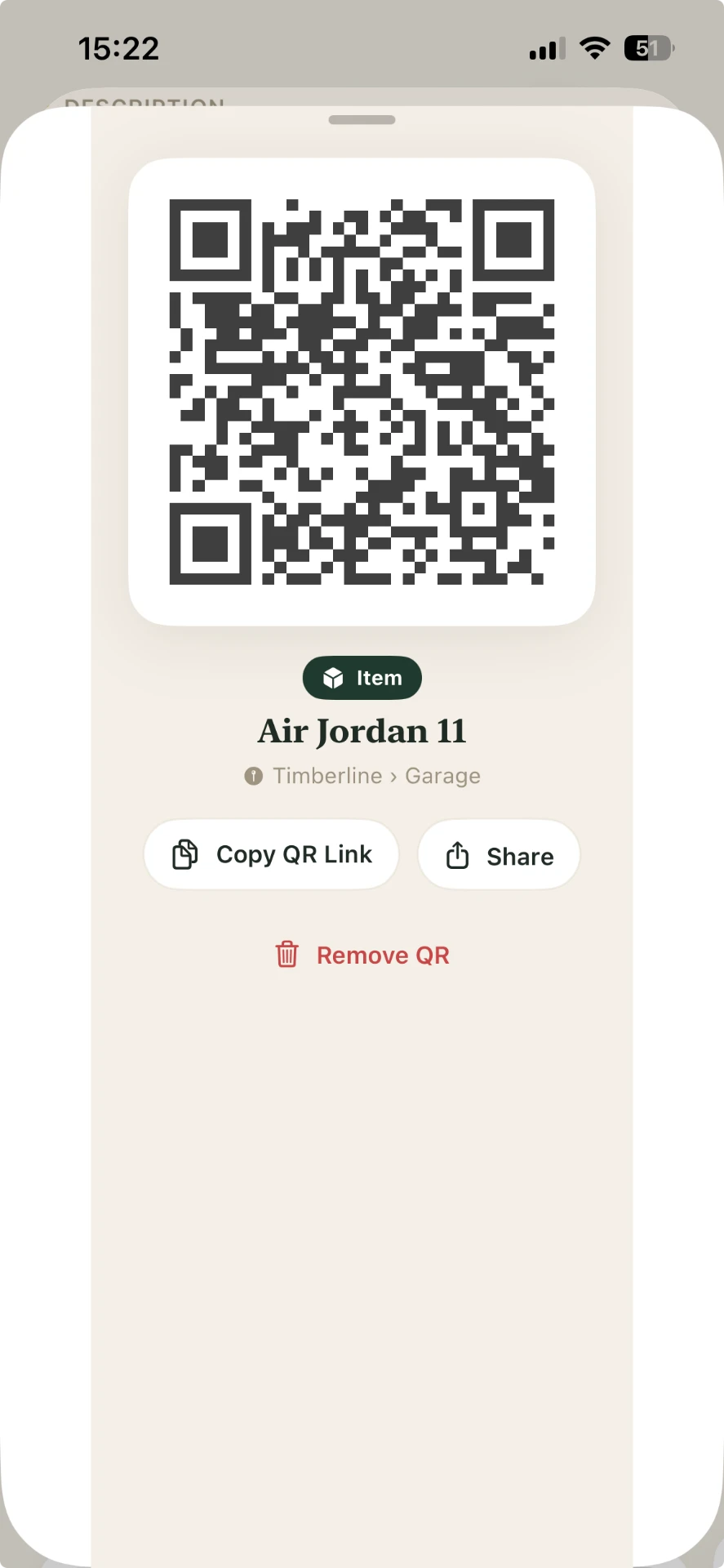
Number boxes sequentially and attach a loggit QR label to each one. The number lets movers and helpers talk about boxes out loud; the code lets anyone with the app see what is inside without opening it.
Put the label on a vertical face so stacked boxes stay scannable.
Check in every box on arrival
As boxes come off the truck, scan each one and mark it received. A missing number is obvious immediately, while the movers are still there, rather than three days later.
Direct each box to its assigned room as it enters the house. Unpacking then follows priority: kitchen and bedrooms first, garage and storage last.
Keep the inventory after the move
A move is the only time most people touch every object they own. Do not throw the record away when the boxes are flat — what you built is now a working home inventory for insurance preparation, warranties, and finding things.
Export a copy for your own records once the dust settles.
Frequently asked questions
Keep reading
- Print QR labels for your boxes
- Turn the move into a lasting home inventory
- See the moving features on the homepage
- How to create a home inventory (and actually keep it updated)
- QR code inventory labels: how to tag bins, shelves, and rooms
- Storage unit inventory: know what is in the unit before you drive there
loggit is an organization tool, not a certified appraisal, insurance, legal, or financial service. Values you record are your own estimates. For coverage decisions, claims, settlements, or tax matters, work with a licensed professional. Questions about your data? Read the loggit privacy policy or contact loggit support.